
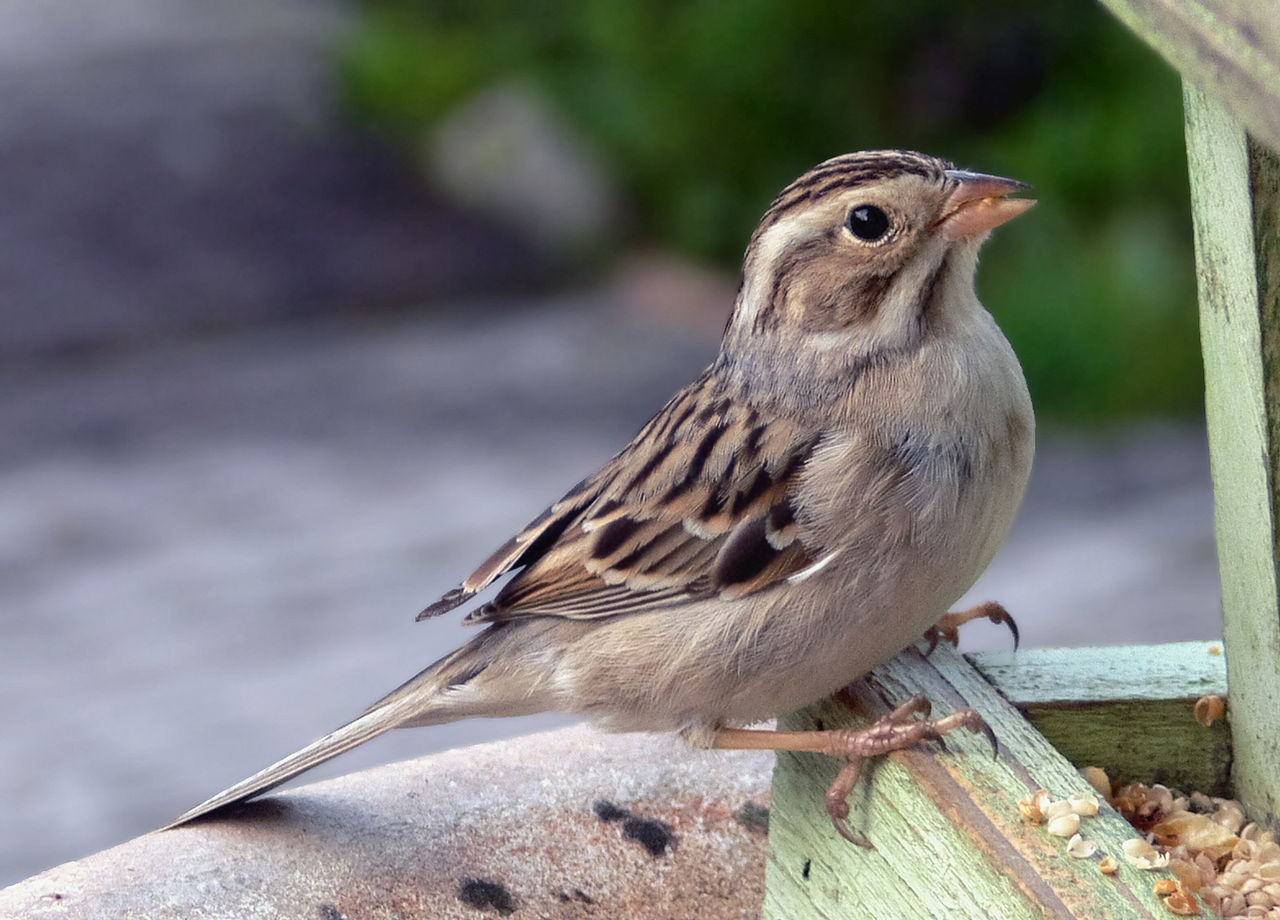
The clay-colored sparrow or clay-coloured sparrow is a small New World sparrow of North America.
Region
North America
Typical Environment
Breeds from the Canadian Prairies south through the northern Great Plains of the United States in open, brushy habitats. Prefers early-successional shrublands, young aspen or willow stands, prairie edges, shelterbelts, and scrubby pastures. Winters from the southern United States into northern and central Mexico, favoring thorn scrub, brushy fields, and dry open woodlands. Uses hedgerows, field margins, and weedy lots during migration. It adapts well to landscapes with scattered shrubs and low, open cover.
Altitude Range
0–2000 m
Climate Zone
Temperate
Ease of Keeping
Beginner friendly: 1/5
The clay-colored sparrow (also spelled clay-coloured) is a small New World sparrow that breeds across the northern Great Plains and Canadian Prairies and winters in the southern U.S. and Mexico. Its buzzy, insect-like song is a reliable clue in brushy prairies and young shrublands. It readily colonizes regenerating clearcuts and shelterbelts, benefiting from early-successional habitats. During migration and winter it often joins mixed flocks of other sparrows.


South Padre Island - Texas
Temperament
wary but social outside the breeding season
Flight Pattern
short rapid wingbeats
Social Behavior
Monogamous pairs defend small territories in dense shrubs and low thickets. The cup nest is placed low in shrubs or small trees, with clutches typically of 3–5 eggs. Outside the breeding season they form loose flocks and often mix with other sparrow species while foraging.
Migratory Pattern
Seasonal migrant
Song Description
A dry, buzzy series of insect-like notes, often rendered as a steady bzzz-bzzz-bzzz. Calls include sharp chips and thin buzzes, carrying well over open shrublands.
Plumage
Plain, finely streaked brown upperparts with a grayish nape and pale, clean underparts; head shows crisp, subtle patterns with a buffy face. Narrow whitish wingbars and a lightly streaked back. Overall appearance is pale and clay-toned with delicate contrasts rather than bold markings.
Diet
Eats a wide variety of grass and weed seeds, especially outside the breeding season. In spring and summer it supplements with insects such as caterpillars, beetles, leafhoppers, and grasshoppers to meet higher protein demands. It also takes small amounts of buds and soft plant matter when available.
Preferred Environment
Forages on or near the ground in brushy prairies, field edges, and weedy lots. Will also glean from low shrubs and herbaceous plants, especially where seed heads are abundant.


