

Cabot's tragopan is a pheasant found in south-east China. The common and scientific names of this large bird both commemorate the ornithologist Samuel Cabot III. Other common names include the Chinese tragopan and the yellow-bellied tragopan. The population is divided into two subspecies, of which the dominant subspecies is found in the provinces of Fujian, Jiangxi, Zhejiang, and Guangdong, and T. c. guangxiensis is confined to northeastern Guangxi and southern Hunan. The IUCN has assessed it as being a "vulnerable species".
Region
Southeast China
Typical Environment
Occurs in montane evergreen broadleaf and mixed forests with dense understory across Fujian, Jiangxi, Zhejiang, Guangdong, northeastern Guangxi, and southern Hunan. Prefers thickets of bamboo and rhododendron, often near streams and steep ravines. Uses mature forest for cover and roosts in trees, but may forage along forest edges and secondary growth. Seasonal movements along elevation gradients may occur, but it remains within forested landscapes.
Altitude Range
200–1800 m
Climate Zone
Subtropical
Ease of Keeping
Beginner friendly: 2/5
Cabot's tragopan is a shy forest pheasant endemic to southeastern China. Males display spectacular inflatable blue horns and throat lappet during courtship, a hallmark of tragopans. Unusually for pheasants, it often nests above ground in trees or shrubs. Habitat loss and fragmentation are the main threats, leading to its Vulnerable status.


Male Cabot's tragopan, with wattles and horns extended
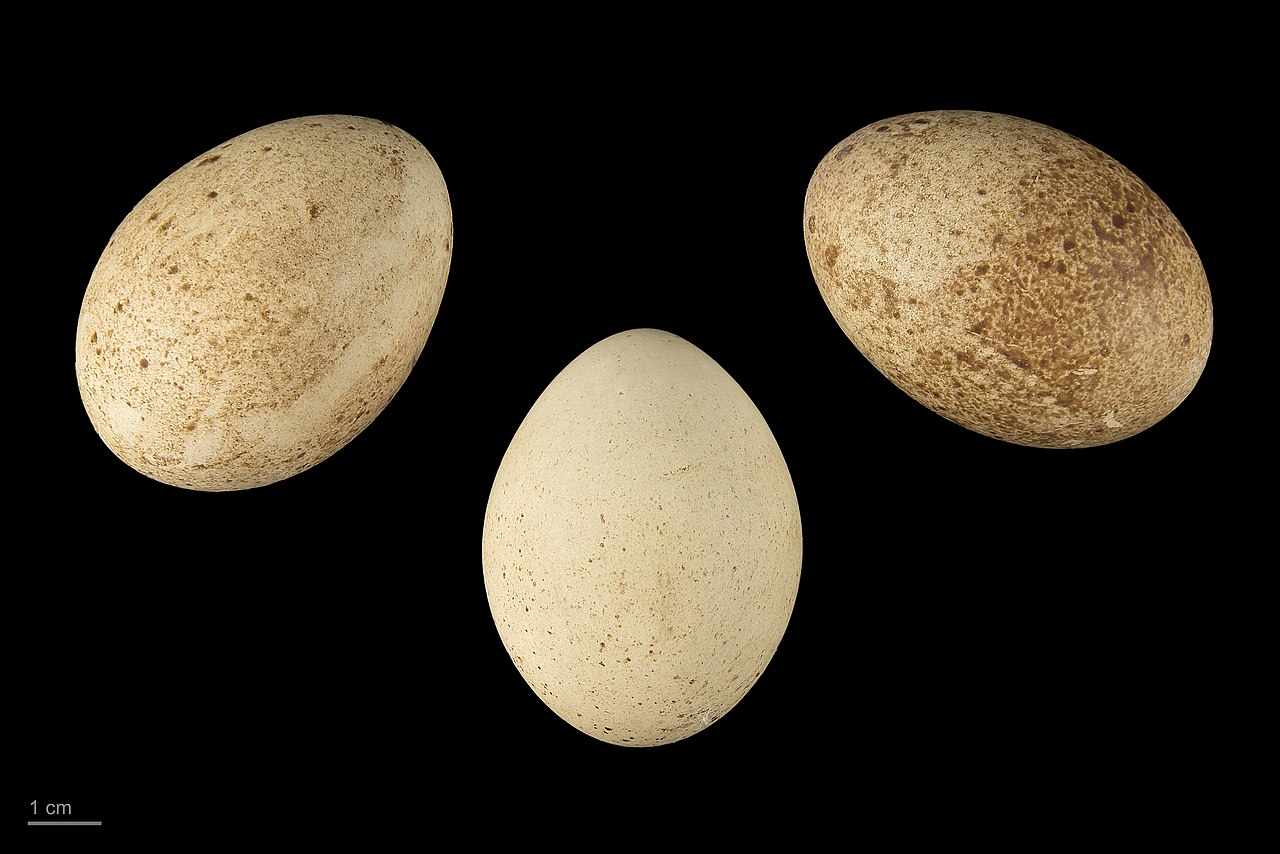
Tragopan caboti - MHNT

Sub-adult male
Temperament
shy and secretive
Flight Pattern
short rapid wingbeats with brief glides; prefers to run and flushes to trees when disturbed
Social Behavior
Typically solitary or in pairs, forming pairs in the breeding season. Courtship involves elaborate displays by the male showing the blue horns and lappet. Nests are unusually placed above ground in trees or dense shrubs, constructed from twigs and leaves. Roosting commonly occurs in trees to avoid predators.
Migratory Pattern
Resident
Song Description
Male gives loud, resonant hoots and nasal, wailing calls during the breeding season that carry through the forest. Contact and alarm notes are softer clucks and grunts, becoming more insistent when disturbed.
Plumage
Male is rich rufous-orange with numerous white ocelli edged in black and a yellowish belly; bare facial skin bright blue, expanding into showy horns and a lappet in display. Female is cryptically mottled brown with buff and black speckling, providing excellent camouflage. Both sexes have sturdy, rounded wings and a relatively short tail.
Diet
Eats a mix of fruits, berries, seeds, shoots, leaves, and tender buds, with bamboo shoots and rhododendron fruits taken seasonally. Supplements plant matter with invertebrates such as beetles, ants, caterpillars, and worms. Opportunistically consumes small snails and other soft-bodied prey, especially in the wet season.
Preferred Environment
Forages on or near the forest floor in dense understory, often along stream margins, bamboo thickets, and ferny ravines. Will also glean low shrubs and edges of clearings but retreats quickly to cover. Uses tree perches for roosting and safety.


