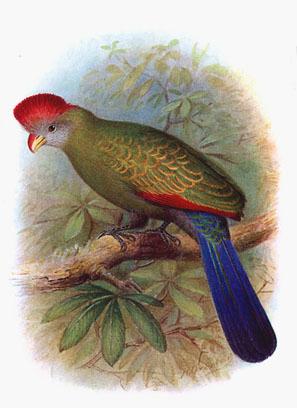
The Banggai scops owl is an owl found on Banggai Island in Indonesia.
Region
Banggai Islands, Wallacea
Typical Environment
Occurs only on Banggai Island, using primary and secondary lowland forest, forest edge, and wooded agroforestry such as coconut groves and mixed gardens. It is frequently encountered near village edges where tall trees remain. The species roosts in dense foliage and cavities by day and hunts along clearings and paths at night. Degradation and fragmentation of lowland forest may constrain its distribution to remnant patches and edge habitats.
Altitude Range
Sea level to 800 m
Climate Zone
Tropical
Ease of Keeping
Beginner friendly: 1/5
The Banggai scops owl is a small, ear-tufted owl restricted to Banggai Island off central Sulawesi, Indonesia. It was long treated as part of the Sulawesi Scops Owl complex but is now recognized as a distinct species with its own vocal and plumage traits. Its tiny range makes it vulnerable to habitat loss, and it is most often detected by its distinctive nocturnal calls. Like many scops owls, it favors edge habitats where insects are abundant.
Temperament
solitary and territorial
Flight Pattern
short rapid wingbeats with quick, agile manoeuvres through forest edge
Social Behavior
Typically encountered singly or in monogamous pairs, especially during the breeding season. Nests are presumed in tree cavities or natural holes, with small clutches. Pairs defend small territories and communicate with duets or alternating calls at dusk and night.
Migratory Pattern
Resident
Song Description
Delivers a series of clear, repeated hoots or whistles, often given at regular intervals. Duetting between pair members is common, with slightly different pitch and pacing. Calls carry well at night and are the easiest way to detect the species.
Plumage
Mottled and streaked brown to rufous scops owl with fine dark streaking below and heavier mottling above; facial disc pale with a darker rim; distinct ear tufts.
Diet
Primarily hunts large insects such as moths, beetles, katydids, and crickets. It will also take spiders and occasionally small vertebrates like geckos or small frogs when available. Prey is usually taken from low to mid-level perches by short sallies or pounces.
Preferred Environment
Forages along forest edges, clearings, paths, and around village gardens where insect activity is high. Often hunts near lights at night that attract flying insects. Uses perches within semi-open canopies and along ecotones between forest and cultivated areas.