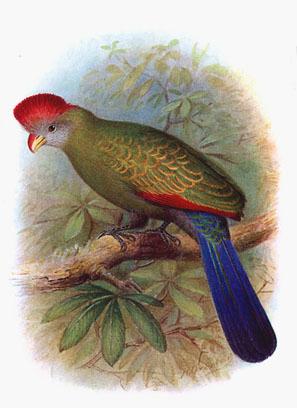
The Banggai jungle flycatcher is a species of passerine bird in the Old World flycatcher family Muscicapidae. It is endemic to Peleng in Indonesia where its natural habitat is subtropical or tropical moist lowland forests.
Region
Banggai Islands, Sulawesi region
Typical Environment
Occurs in subtropical to tropical moist lowland forest on Peleng, favoring dense, shaded understory and streamside thickets. It uses primary forest but may also enter mature secondary forest with intact undergrowth. Birds typically keep to low perches within a few meters of the ground. They forage along forest edges, ravines, and quiet gullies where insect activity is high.
Altitude Range
Sea level to 1200 m
Climate Zone
Tropical
Ease of Keeping
Beginner friendly: 1/5
This unobtrusive flycatcher is restricted to Peleng in the Banggai Islands of Indonesia, where it inhabits shaded lowland forests. Like many island endemics, it may be sensitive to habitat loss and fragmentation. It belongs to the Old World flycatcher family (Muscicapidae) and forages quietly in the understory.
Temperament
shy and retiring
Flight Pattern
short rapid wingbeats with brief sallies
Social Behavior
Usually solitary or in pairs within well-defined understory territories. Builds a cup-shaped nest low in vegetation or in sheltered nooks, using moss, rootlets, and leaves. Both adults are believed to participate in parental care, with discreet nest attendance to avoid detection.
Migratory Pattern
Resident
Song Description
Soft, thin whistles interspersed with high, sibilant notes delivered from low, concealed perches. Contact calls are quiet ticks and tsips that blend into forest background noise.
Plumage
Subdued, soft-textured plumage with warm brown upperparts and paler buffy underparts; throat often slightly paler with faint mottling. Tail and wings show rufous-brown tones; underparts may show a gentle wash of gray-buff on the flanks.
Diet
Feeds primarily on small insects such as beetles, flies, ants, and caterpillars, and will also take small spiders. Captures prey by sallying from low, shaded perches and by gleaning from leaves and twigs. Occasionally hover-gleans to pick off insects from foliage, especially near streams and damp thickets.
Preferred Environment
Forages in dense understory of primary and mature secondary forest, along stream margins, and in vine tangles. Often stays close to cover and within a few meters of the ground to ambush prey.